

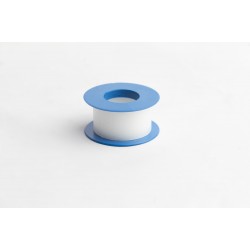
-250x250w.jpg "GAUZE ROLL Egypt size 7 cm")
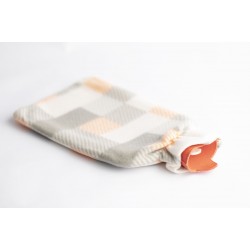
-250x250w.jpg "compress with cover")


about product
Laboratory Inoculation Loop
An inoculation loop is a laboratory tool used in microbiology to transfer microorganisms from one medium to another, such as transferring bacteria or fungi between Petri dishes or test tubes. Also known as an inoculating needle, it is essential for bacterial culture and microbiological studies.
Features of the Laboratory Inoculation Loop:
✅ Made from heat-resistant materials like platinum, nickel, or pre-sterilized plastic.
✅ Available in different sizes, typically 1 µL or 10 µL, to suit various research needs.
✅ Can be sterilized using an open flame (Bunsen burner) for metal loops or autoclaved for plastic loops.
✅ Designed with a long handle for easy use without contaminating the sample.
Benefits and Uses:
???? Used to transfer bacterial colonies from one culture medium to another.
???? Essential for microbiological testing in medical and environmental sample analysis.
???? Used for inoculating liquid media and agar plates in laboratories.
???? A fundamental tool in microbiology, pharmaceuticals, and biological research.
How to Use an Inoculation Loop:
- Sterilize the loop by heating it in a Bunsen burner flame until it glows red, then allow it to cool.
- Gently collect a bacterial or fungal colony from a Petri dish or culture medium.
- Transfer the sample to a new medium, such as an agar plate or liquid solution.
- Re-sterilize the loop after each use to prevent cross-contamination.
Safety Precautions:
⚠️ Always sterilize the loop before and after use to avoid contamination.
⚠️ Allow metal loops to cool before touching the sample to prevent killing microorganisms.
⚠️ Wear gloves and use proper aseptic techniques while handling cultures.
- Stock: 5
Laboratory Inoculation Loop
An inoculation loop is a laboratory tool used in microbiology to transfer microorganisms from one medium to another, such as transferring bacteria or fungi between Petri dishes or test tubes. Also known as an inoculating needle, it is essential for bacterial culture and microbiological studies.
Features of the Laboratory Inoculation Loop:
✅ Made from heat-resistant materials like platinum, nickel, or pre-sterilized plastic.
✅ Available in different sizes, typically 1 µL or 10 µL, to suit various research needs.
✅ Can be sterilized using an open flame (Bunsen burner) for metal loops or autoclaved for plastic loops.
✅ Designed with a long handle for easy use without contaminating the sample.
Benefits and Uses:
???? Used to transfer bacterial colonies from one culture medium to another.
???? Essential for microbiological testing in medical and environmental sample analysis.
???? Used for inoculating liquid media and agar plates in laboratories.
???? A fundamental tool in microbiology, pharmaceuticals, and biological research.
How to Use an Inoculation Loop:
- Sterilize the loop by heating it in a Bunsen burner flame until it glows red, then allow it to cool.
- Gently collect a bacterial or fungal colony from a Petri dish or culture medium.
- Transfer the sample to a new medium, such as an agar plate or liquid solution.
- Re-sterilize the loop after each use to prevent cross-contamination.
Safety Precautions:
⚠️ Always sterilize the loop before and after use to avoid contamination.
⚠️ Allow metal loops to cool before touching the sample to prevent killing microorganisms.
⚠️ Wear gloves and use proper aseptic techniques while handling cultures.